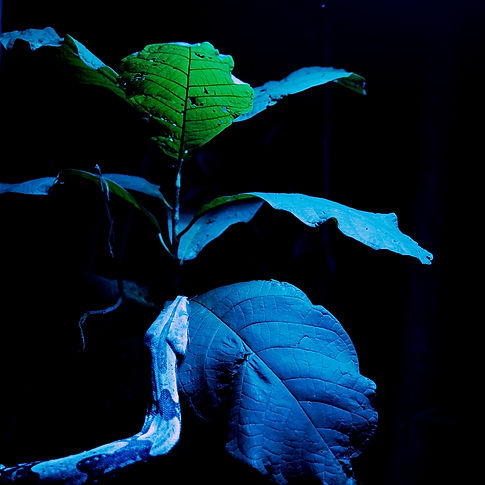
Tramontana, 2023-25
Voices and Visions: Art as the Narrator of Belo Horizonte’s Imaginary Histories
Our imaginaries—the stories told through the voice of the people, known as urban legends, or formerly as histórias de trancoso—remain alive in our memories. In what ways do they guide us in imagining the unofficial stories of the city? How can the visual arts, photography, and audiovisual practices operate in the mediation of imaginary fabulations that circulate by word of mouth in the city of Belo Horizonte? When do artists engage with the literatures embedded in popular orality?
These are stories of desires for public manifestation, of remembered protests, of white handkerchiefs waving during a march against the permanent disfiguration of a neighborhood. They include the striking presence of a dancer—an enchanted entity—who tells the public story of the importance of a festival, of a youth that turned a sports court into a site of memory. From the Roses, childhoods and the memories of washerwomen and healers. The nocturnal experiences of a city in the present time, its lights and its mysteries. Does a city illuminated at night still hold its apparitions?
The research conducted by artists Maria Vaz and Marlon de Paula for the exhibition Tramontana addresses the fantastic stories that survive, reinvent themselves, are reworked, inscribed, and updated throughout Greater Belo Horizonte. It is the result of a long process—over two years of listening—constituting a poetic exercise in inventorying the voices of the city and identifying traces of lived experiences of struggle and resistance.
Despite technological “illogical progress”—to use Adélia Prado’s term—Maria Vaz and Marlon de Paula demonstrate, through images created using analog, digital, and artificial tools, that people nonetheless persist in inventing creative ways of living in the city. They narrate their fears, their hauntings, their achievements, their defeats, their dreams, their fantasies, their imaginations, in fantastic urban poetries.
And, perhaps most importantly, the arts, as mediators within culture, play an essential role in transmission, in the construction of dialogues, and in performing our own transformations. Images recreate, in the present time, in the here and now, a medium that allows repetition—again and again, as many times as necessary and possible—transforming lived experience into an elaborated narrative of the shared experience that the people offer to the city.
Carolina Ruoso